Just How Waterproofing Works: A Comprehensive Check Out Strategies and Technologies
Waterproofing is crucial for shielding frameworks from moisture-related damage. It includes different strategies and innovations that develop barriers versus water invasion. Traditional approaches, such as compacted clay, coexist with modern-day innovations like liquid-applied membrane layers. Comprehending the nuances of these approaches is crucial for effective application. Nevertheless, the efficiency of any waterproofing service pivots not only on the techniques utilized yet additionally on recurring maintenance and inspection. What are the key aspects that affect long-lasting performance?
Comprehending the Fundamentals of Waterproofing
Waterproofing is an important process that shields structures from water intrusion, which can lead to significant damages gradually. This method involves the application of different materials and methods developed to create a barrier against dampness. The key objective is to avoid water from penetrating surface areas, which can trigger damage, mold growth, and architectural instability.Various aspects influence the selection of waterproofing technique, consisting of the sort of structure, its place, and ecological problems. Understanding the physics of water movement and the properties of various products is crucial in selecting an effective waterproofing solution.Effective waterproofing not just safeguards structures however likewise improves their longevity and integrity. Generally, it is integrated into the layout stage of building and construction to assure comprehensive security. As recognition of water-related problems grows, the value of recognizing waterproofing principles comes to be progressively clear to designers, building contractors, and homeowner alike.
Typical Waterproofing Methods
Conventional waterproofing techniques have actually been used for centuries, relying upon tried and true techniques and materials to secure structures from water damages. One of the earliest techniques entails the usage of clay, which, when compacted, develops an all-natural obstacle against moisture. In addition, bitumen, a sticky, black product stemmed from oil, has been used for its waterproof residential or commercial properties, usually applied to roofs and foundations.Another method includes the application of lime-based plasters, which give a breathable layer that permits dampness to leave while stopping water access. Thatch roof covering, a typical technique still seen in some societies, offers exceptional waterproofing as a result of its securely loaded straw layers.Moreover, making use of stone and block has been prominent, as these products are naturally immune to water when effectively set up. Generally, typical waterproofing approaches highlight the value of selecting proper products and construction methods to improve durability versus water intrusion.
Modern Waterproofing Technologies
Advancements in modern-day waterproofing modern technologies have transformed the way frameworks are shielded from water damage. Ingenious strategies such as liquid-applied membranes and sophisticated sealants have actually improved the efficiency and adaptability of waterproofing remedies. These modern technologies enable seamless application, reducing the threat of leakages and ensuring detailed protection over complex surfaces.Moreover, the assimilation of clever modern technologies, such as wetness sensors and automated tracking systems, makes it possible for real-time assessment of waterproofing efficiency. This aggressive method assists in prompt upkeep and reduces long-lasting fixing costs.Additionally, innovations in spray-applied coatings use quick application and superb attachment, adapting to various substrates while offering robust security. Strategies like polymer-modified systems further improve versatility and durability, making them appropriate for varied settings. On the whole, contemporary waterproofing technologies not just minimize water intrusion however additionally add to the durability and sustainability of structures, marking a substantial shift in the market.
Products Used in Waterproofing
The effectiveness of waterproofing remedies heavily counts on the materials utilized in their application. Numerous materials are utilized to develop obstacles against water ingress, each with special residential or commercial properties fit for different settings. Generally made use of products consist of membranes, finishes, and sealants.Liquid-applied membranes, typically made from polyurethane or acrylic, form a smooth barrier that adapts to complex surface areas. Sheet membrane layers, usually built from rubber or thermoplastic, deal durability and are ideal for larger locations. In addition, cementitious waterproofing materials, made up of cementitious compounds, offer outstanding bond and flexibility.Sealants made from silicone or polyurethane are essential for joints and seams, making sure complete defense. In addition, sophisticated products, such as geo-composite membrane layers, combine several features, enhancing performance. Overall, the option of waterproofing products is important in achieving durable and efficient water resistance, tailored to details project requirements and environmental conditions.
Usual Applications of Waterproofing
Waterproofing plays an important duty in numerous sectors, guaranteeing the long life and integrity of frameworks. Common applications include domestic remedies that secure homes, commercial infrastructure that safeguards organizations, and commercial setups that need robust security against moisture. Recognizing these applications highlights the importance of waterproofing in keeping both safety and performance throughout different environments.
Residential Waterproofing Solutions
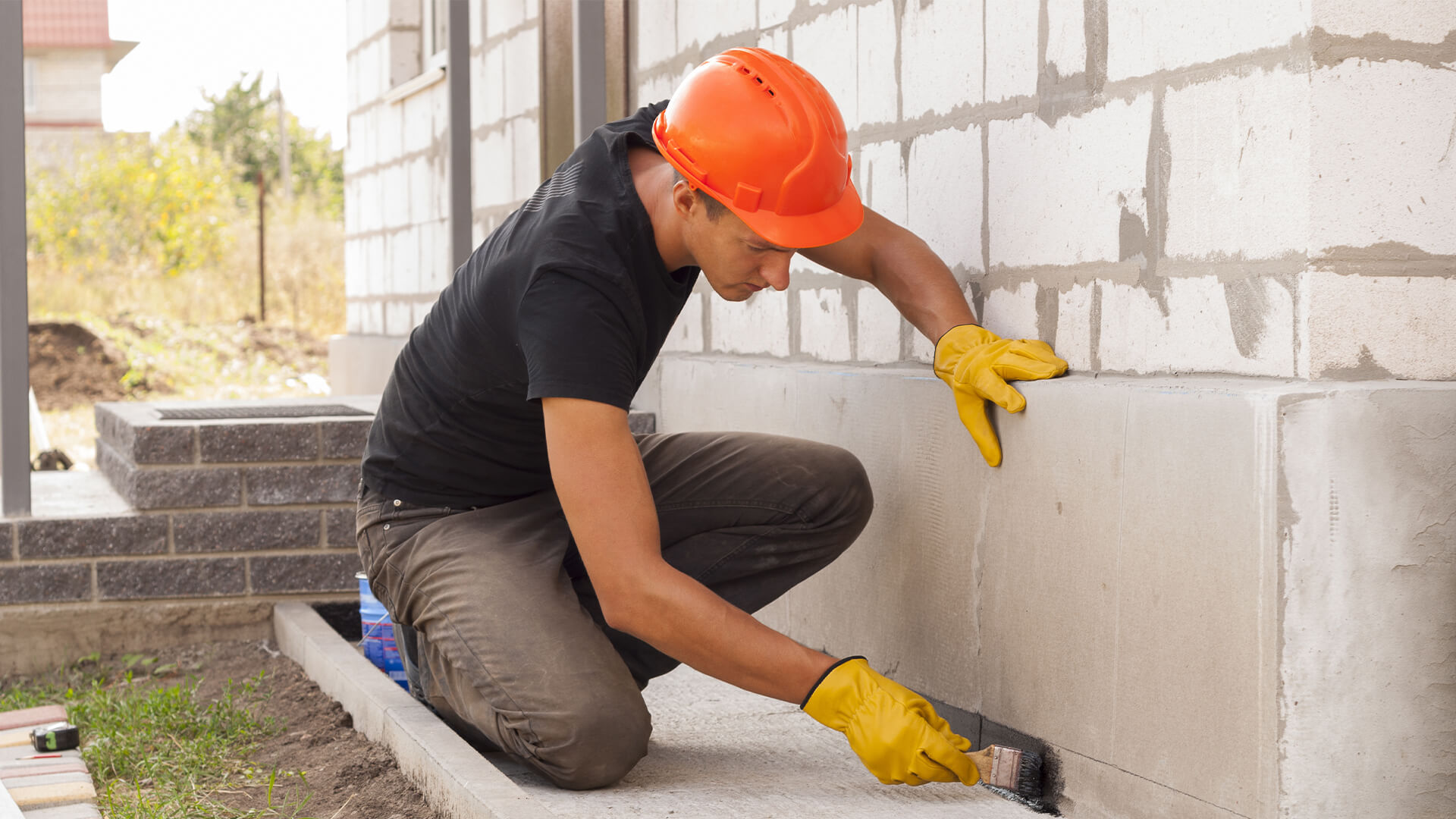
Numerous property owners face challenges with moisture invasion, making efficient property waterproofing services vital. Numerous methods exist to resolve this concern, including interior and exterior waterproofing systems. Interior solutions typically entail the application of sealers and coverings to cellar wall surfaces, which help stop water infiltration. Outside methods normally include the installation of water drainage systems and waterproof membrane layers that draw away water away from the foundation.Additionally, home owners may consider sump pumps to eliminate water accumulation and dehumidifiers to manage humidity degrees. Appropriate grading and making use of rain gutters also play an essential role in managing water circulation around the home. By applying these techniques, house owners can significantly lower the danger of water damage and mold development, ensuring a dry and risk-free living atmosphere.

Industrial Facilities Protection
Efficient waterproofing solutions play a critical duty in the protection of commercial infrastructure. Basement waterproofing Omaha. These strategies are essential for safeguarding structures, car park frameworks, and bridges from water damage, which can jeopardize architectural integrity and lead to costly repair work. Typical applications include the setup of membrane layers, finishings, and sealants that create obstacles against moisture infiltration. Locations such as basements, Sump pump discharge drainage Omaha roofings, and exterior walls are often prioritized to guarantee durability and toughness. Additionally, waterproofing systems can boost power efficiency by stopping water-related problems that may cause mold development and deterioration. By implementing robust waterproofing procedures, home owners can secure their financial investments and maintain functional performance, inevitably adding to the overall sustainability of industrial facilities
Industrial Applications Summary
While different fields deal with unique difficulties, the requirement for dependable waterproofing services continues to be a continuous in industrial applications. Industries such as manufacturing, building and construction, and power commonly experience environments where moisture exposure can threaten architectural honesty and functional effectiveness. In manufacturing centers, waterproofing is vital for securing machinery and products from water damages. In building, it safeguards foundations and basements against groundwater infiltration. The power sector counts on waterproofing for the security of tools in hydroelectric plants and overseas structures. In addition, food processing industries use waterproofing to guarantee health and conformity with security criteria. Overall, efficient waterproofing remedies are important for enhancing sturdiness, security, and productivity throughout different industrial settings.
Maintenance and Long Life of Waterproofing Solutions
Waterproofing services are created to offer lasting security against wetness invasion, routine upkeep is crucial to assure their effectiveness and longevity. Routine examinations play a substantial role in identifying potential problems such as cracks, peeling, or indicators of water damage. Addressing these troubles immediately can avoid additional degeneration and costly repairs.Additionally, cleansing the surface of waterproofed locations aids eliminate dust and debris that might compromise the stability of the waterproofing barrier. It's likewise a good idea to reapply protective finishings or sealers as suggested by makers to maintain suitable efficiency. Ecological factors, such as UV exposure and severe climate condition, can affect the lifespan of waterproofing materials, making normal assessment important
Frequently Asked Concerns
Can Waterproofing Be Applied in Winter?
The inquiry of applying waterproofing in winter elevates worries regarding attachment and healing. Numerous items might not execute at their finest in reduced temperature levels, demanding mindful choice and factor to consider of particular guidelines for reliable application.
How Much Time Does Waterproofing Typically Last?
The duration of waterproofing effectiveness varies based on products and environmental elements. Typically, it can last from 5 to 10 years, but routine upkeep and inspections are necessary to assure peak efficiency and longevity.
Is DIY Waterproofing Effective and Safe?
The efficiency and safety and security of DIY waterproofing depend on numerous aspects, consisting of worldly quality and application strategy. While some people attain sufficient outcomes, others may come across concerns that jeopardize lasting security and architectural honesty.
What Are the Signs of Failing Waterproofing?
Indications of falling short waterproofing consist of noticeable water spots, peeling paint, mold and mildew growth, mildewy odors, and dampness in wall surfaces or ceilings - Drainage & waterproofing company Omaha. These indications suggest jeopardized barriers, demanding timely examination and possible remediation to avoid more damages
How Do I Choose the Right Waterproofing Contractor?